I started Scaler in 2017 as a website agency. Today we are a growth partner for scientific, industrial and technical companies: we help with positioning, messaging, the website, search and paid campaigns, and ongoing optimization after launch. This is how that happened, and what it means for the companies we work with.
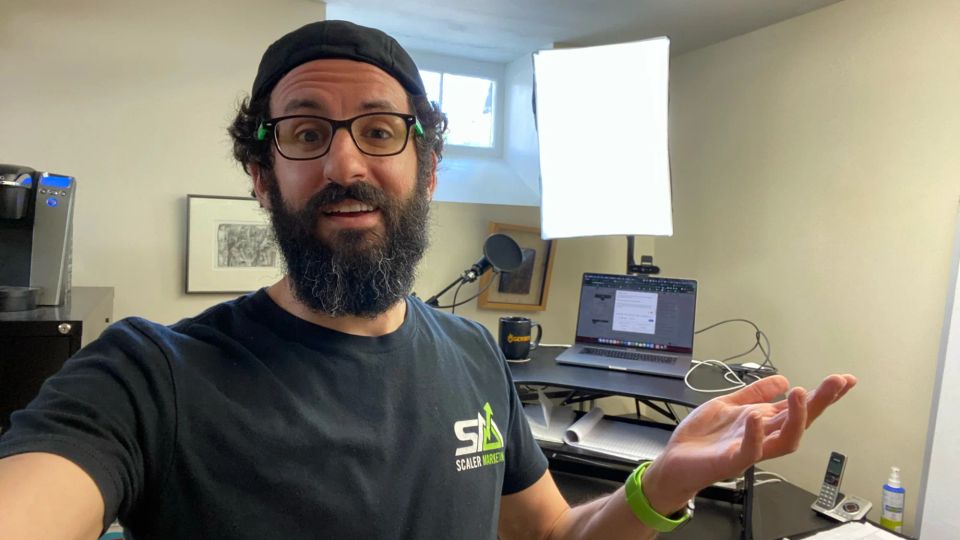
In 2017, I left a sales and marketing role in Los Angeles, moved my family to Boston, and started Scaler.
I didn’t have a fixed agency model in mind. I knew I wanted to help businesses with their marketing, and I started by reaching out to people I knew to see where they needed help.
The early work varied, but a pattern emerged pretty quickly: people wanted websites.
At first, I built them myself. The business was new, money was limited, and doing the work myself seemed like the practical place to start. But trying to build websites while also finding the next client wasn’t sustainable. I also found that I was better at communicating a vision to a designer than doing all the design work myself.
So I began outsourcing, with a plan to grow by selling “competitively priced” websites. But finding developers who could deliver the quality I envisioned, and figuring out how to communicate that vision, proved harder than I expected.
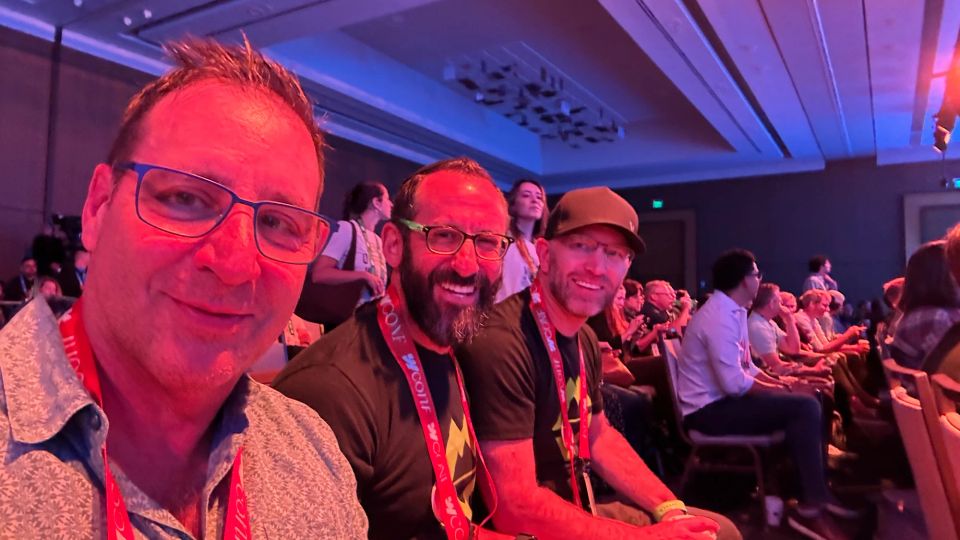
The turning point came when I started working with Jesse, now Scaler’s CTO and co-founder. We knew each other from high school, and I came across his portfolio while looking for a photographer for a client. His work looked like what I wanted our work to look like.
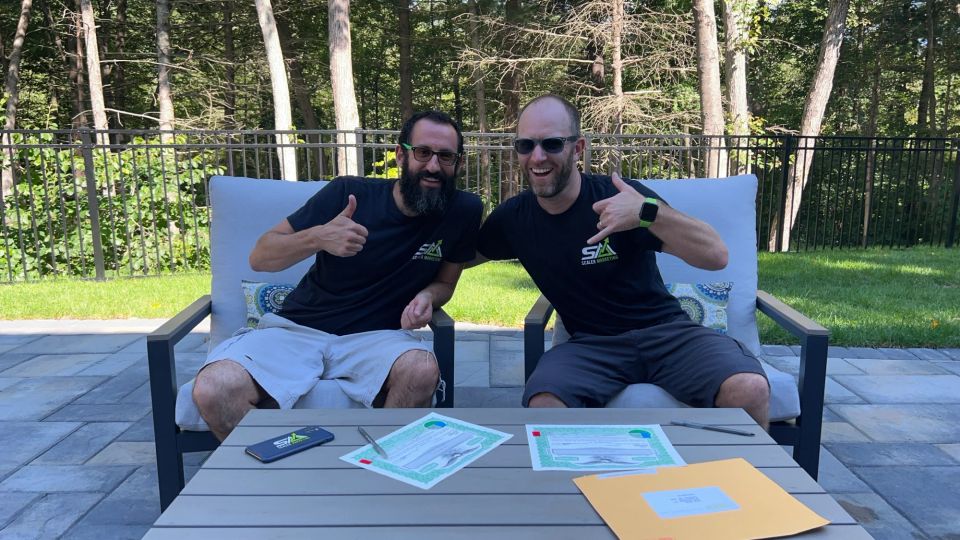
We took on two projects together using Webflow. The quality changed dramatically, and we continued building websites together from there. That partnership helped establish Scaler as a website agency. What happened next came largely from paying attention to what our clients needed.
Our clients kept asking for more
As our projects grew, the conversations around them became more involved.
A company might come to us for a website, but before we could design it, we needed to understand how they were positioned, what made them valuable, and how to explain that to their customers. In scientific and industrial businesses, those questions can take some work, and are crucial to a successful project.
I have a degree in biology, and although I eventually realized that working at a lab bench wasn’t for me, I never lost my interest in science. I was comfortable asking questions about complicated things, including questions that likely sounded stupid to the people answering them, but at least I was willing to ask them.
That willingness to keep asking became useful. But as the companies and their needs got bigger, I also recognized where we needed more experience in the room. Bringing someone into strategy gave us the ability to go deeper into those conversations and build that thinking into the work.
Then clients started coming back with another request. They liked their websites. They liked working with us. But they were frustrated with their SEO agency, and they wanted to know whether we could help.
We already understood their brand and their business. From their perspective, continuing the relationship made sense.
I was cautious. I’d heard plenty of business owners complain that they were paying an SEO retainer without understanding what was being done or whether it was helping. I had no interest in becoming another version of that experience.
We needed the right expertise before we could take responsibility for it. Building out our SEO and PPC capabilities gave us a foundation for supporting clients beyond the website launch.
More complex projects also needed stronger project management. Clients needed help keeping decisions, content, and feedback moving alongside their day-to-day responsibilities, so we added support to keep the work organized and moving forward.
As clients needed more complex functionality, we expanded our development team. That meant we could help with software integrations and backend portals alongside the website itself, bringing more of their digital systems together under one team.
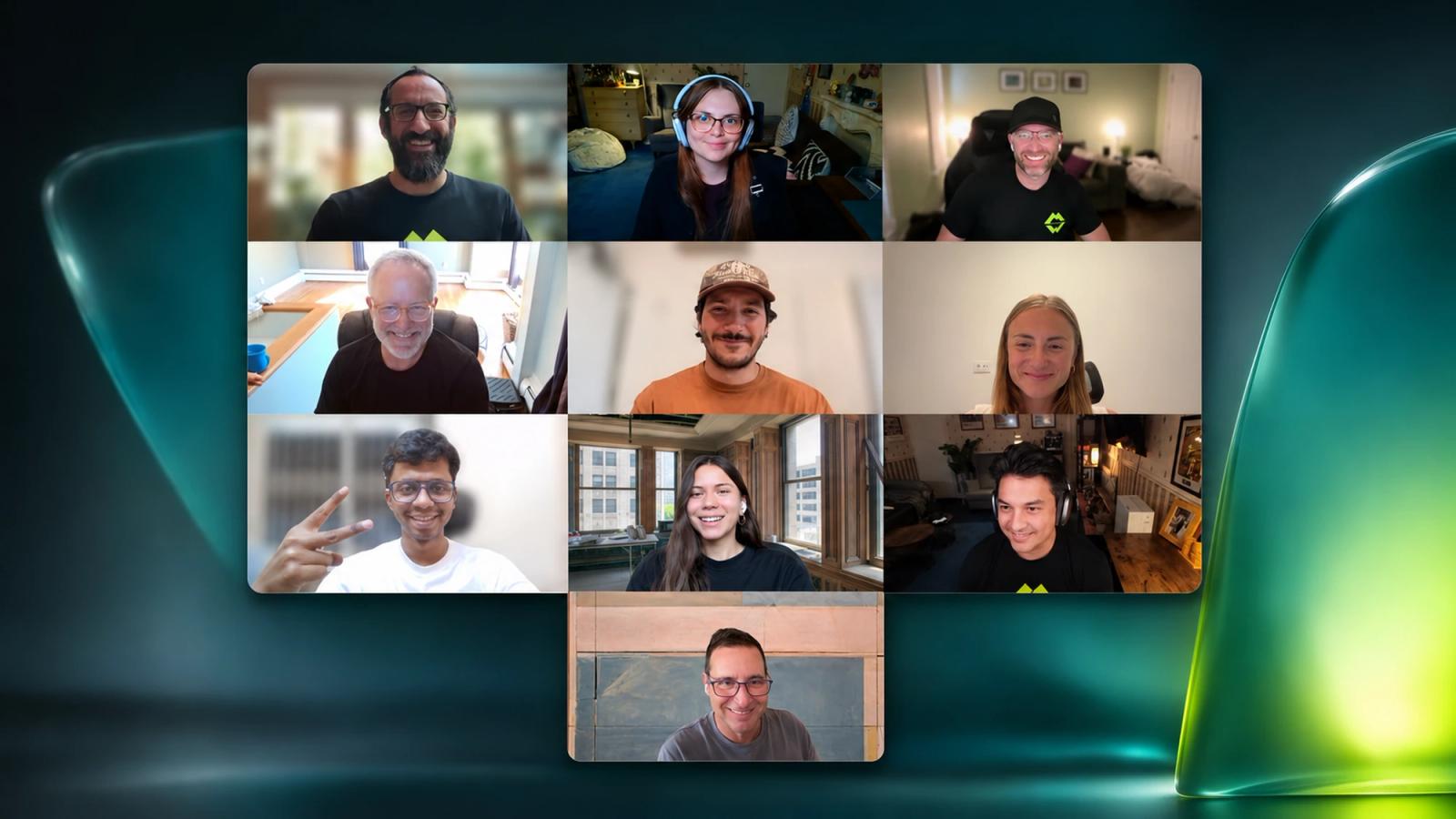
That’s how our team grew. We kept identifying needs and bringing in people who could help us meet them at the level we demand for all of our clients.
We’ve always been careful about that. I don’t want us offering something simply because a client might pay for it. We need to be confident that we can deliver.
We had outgrown the way we explained ourselves
Our capabilities were evolving, and I eventually realized that our sales process wasn’t communicating them clearly enough.
We lost a handful of opportunities where I felt confident that we were the absolute best choice they could make. In some cases, prospects chose a bigger agency. In others, they seemed to have misunderstood what we actually did.
That was something we needed to fix. If a prospective client leaves a conversation without understanding how we can help, I can’t expect them to fill in the gaps themselves. We needed to get better at how we prepared for calls, understood their needs, and brought that information together in proposals.
It’s the same issue we help clients address. A business develops new capabilities, takes on more complex work, and becomes more valuable to its customers. Meanwhile, the way it presents itself still reflects an earlier version of the company.
We had to take an honest look at that ourselves.
What we mean by a growth partner
Today, a client can look to Scaler for help understanding their positioning, communicating their value, building their website, and improving their digital presence over time.
Those responsibilities connect.
What we learn about the buyer should influence the messaging. The messaging should shape the website. Search and paid campaigns should bring relevant people to an experience that helps them take the next step. What we learn from performance should inform what we do next. That’s what I mean when I say we build an integrated growth platform.
For clients, that means less time coordinating all the moving pieces and more time focusing on what matters most to their business. With their website and marketing working toward the same goals, they can make clearer decisions and feel more confident about how they’re investing in growth.
We’ve also learned how much support clients need to keep that work moving. Their teams are busy. Getting content, gathering feedback, and making decisions all take time alongside their day-to-day responsibilities. Helping them through that process is part of the work.
Sometimes that means challenging the request
We’ve had companies come to us wanting someone to manage their ads when I wasn’t comfortable sending paid traffic to their website.
One prospective client stands out. I recommended rebuilding their site because I didn’t believe it would convert the traffic they wanted to buy. They chose another agency.
About a year and a half later, we spoke again. They told us they’d spent almost as much trying to improve the existing site as we had originally quoted for a new one, plus a rather pricey retainer for managing their ads, and they still weren’t getting the results they wanted. They were looking for someone to run their ads better.
My concern was still the website. I don’t know how things ultimately worked out for them. I hope I will did well. But I wasn’t willing to take on a project that I didn’t feel confident we could make work.
That’s part of the responsibility of being a growth partner. We need to understand the problem well enough to question whether the requested work will actually help.
More traffic can look encouraging in a report. If it’s the wrong traffic, or people arrive and can’t find a reason to take the next step, the business still has a problem.
The work continues after launch
A website needs to keep up with the company it represents. Your capabilities change. You enter new markets. Your customers ask different questions. You learn more about why people choose you and where they hesitate.
If those changes never make it onto the website, prospective customers are making decisions based on an incomplete picture. Your salespeople then have to explain everything the site should already have helped them understand.
That puts a lot of pressure on the sales conversation, assuming you get to the conversation at all.
Through Scaler Metrics, our ongoing performance and optimization services, we can stay involved, review performance, and recommend what needs attention. Reporting should make that work understandable, what’s working, what isn’t, and what we propose to do about it, and it is all trackable.

My scientific background influences how I think about this. Ask questions, test an idea, look at the evidence, and adjust. We describe it as Analyze, Gauge, Adapt, Repeat (AGAR). You need to keep learning rather than assume the first version will remain the right one indefinitely. It almost never does.
A change won’t always produce the result we expected. Sometimes we need more information. Sometimes the company or the market has changed, and something that worked before needs attention again. The point is to keep learning and bring that learning back into the work.
Where Scaler goes from here
We’re increasingly drawn to scientific, industrial, and technical companies with complicated problems and challenges.
I enjoy those conversations. I like understanding how something works, why it matters, and what’s preventing the right people from seeing its value. We’ve built a team that enjoys figuring those things out too.
Our job is to make that complexity easier for a customer to understand and act on. Then we need to keep paying attention as the company and its market evolve.
That’s why a properly approached website project isn’t one and done. Launch is the first step. Once the site is live, we can see how people find it, what they engage with, and where they drop off. That performance data helps us decide what to improve next.
If we’ve already built your website, there’s an opportunity to keep building on that investment together. We know your business, and we can help your digital presence keep pace with where you’re going.
If you haven’t worked with Scaler, that ongoing relationship can be part of the conversation from the beginning. We want to understand what your business needs now, build with that purpose in mind, and keep improving as we learn.
I’m proud of the work we’ve done and excited about the team we’re building. Every new challenge gives us a chance to learn, improve, and do more for our clients. Scaler will keep evolving as we find new ways to help them grow, and I feel like we’ve only just begun.
Whether we’re continuing the work or meeting for the first time, let's talk about where you want to go next.