David’s Desk
I’ve been thinking a lot recently about what it actually means to build a team. Not just hire good people or put together the right skill sets, but build something where everyone is moving in the same direction, trusting each other, and making each other better.
The companies that own their space figure this out. It’s not about having the smartest people in the room. It’s about how well those people work together.
We all know what the opposite looks like. Everyone’s working hard, and yet, somehow the business still isn’t growing the way it should. The sales team is frustrated. Marketing can’t figure out why leads aren’t converting. Everyone’s busy, but nobody’s really working together.
In this issue of the Scaler Spark, we dig into different ways that teams can communicate better, work better together, and what happens when company culture dictates that we leave our egos at the door and make room for everybody to do what they do best.
Science of Insight: Lessons from Google

In the early 2000s, Google made a bet on their team that most companies would never make. They told their engineers to spend 20% of their time, (yes, one full day a week), working on whatever they wanted.
No deliverables. No oversight. Just space to follow their own curiosity.
What came out of it? Gmail. Google News. Google AdSense. Products that became cornerstones of one of the most valuable companies in the world.
While on the surface this might seem like a lesson in individualism, it actually teaches us something incredible about teamwork and what happens when you respect the individual enough to give them room to grow and explore their own personal identity, and what they bring back to the team when you do.
The best ideas don’t come from separate individuals grinding through their own task list. They come from people who feel trusted, valued, and connected to a team that’s bigger than their job description.
Guest Voice: Peter Nathan on Building International Cross-Cultural Teams
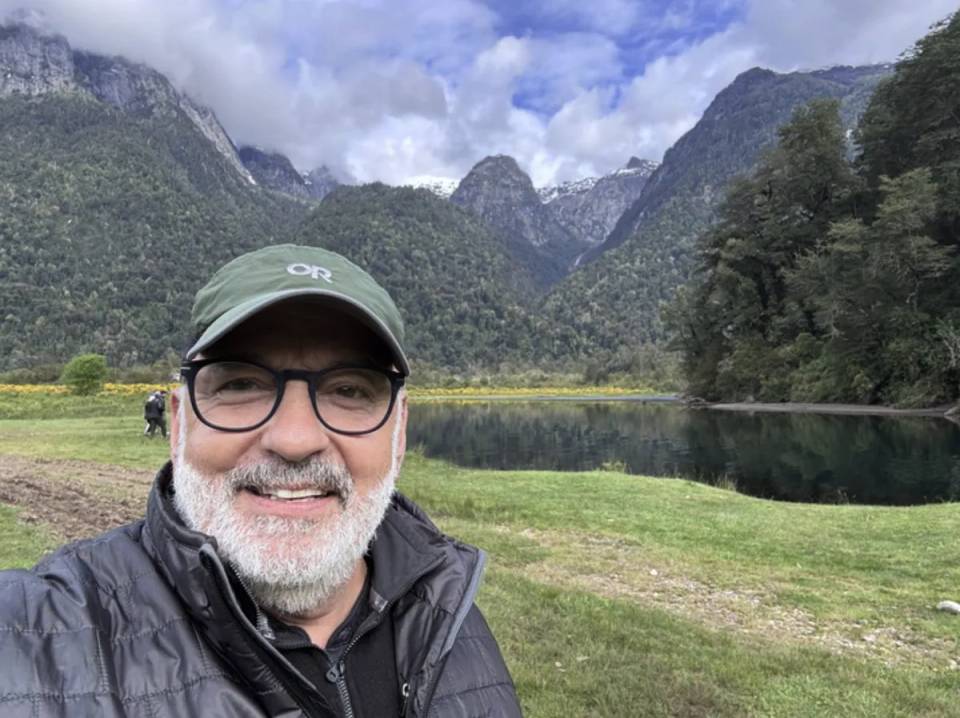
Peter Nathan, former director of Global Business Development at New England Biolabs, spent decades building international teams for one of the most respected names in the life sciences, across Japan, Germany, France, Canada, and beyond. He’s seen what happens when cross-cultural teams click, and what quietly unravels them.
His biggest lesson from running global operations has everything to do with listening and nothing to do with personal ego.
“When you first start, you think you have all the answers,” Peter says. “But leadership involves listening to your team.”
The natural instinct for a leader is to assume control and fill every empty space with their own voice. Peter argues that this impulse is exactly what prevents true alignment, especially across cultures. You have to be able to listen and reflect.
One method Peter implemented in his years of getting cross-border teams aligned is called immersion therapy: making sure everyone is deeply clear on what the company stands for, then giving them the freedom to make it work in their own individual way.
“The biggest breakdown that I would see was trying to instill or demand your one cultural way of looking at something,” Peter warns. “And the last thing your team in Germany or France wants to be doing is only what the US demands.”
True teamwork dies the second you try to force everyone into the exact same box. When you set a clear standard but give your people the trust to run with it, that’s when a collection of isolated individuals finally becomes a real team.
Team Spotlight: Amanda, Director of Operations

Every high-performing team has someone who makes sure the machine actually runs. At Scaler, that’s Amanda.
As our Director of Operations, Amanda is the connective tissue between clients, designers, strategists, and developers, often across different countries, time zones, and working styles. Her job isn’t just keeping projects on track. It’s making sure the right people have the right information at the right time, and that nothing falls into the cracks between departments.
“It’s incredible to work with, and learn from this many talented people around the world.”
When significant timelines and budgets are at stake, communication is the most important resource we have in making sure time and money aren’t wasted. Without effective communication, expectations aren’t managed, things get lost in translation, and trust is lost.
With Amanda at the helm of our internal and external communication lines, the team is able to move together as a solid force, making everyone, including our clients, more efficient, happy, and successful.
Blog Spotlight: Why Your SEO and Ads Teams Should Be Sharing a Desk

In our recent blog post, Jack, our Chief Growth Officer, explores what happens when SEO Teams and Ads Teams work in isolation.
It is very common for Paid Ads and SEO to operate as separate units. The ads team might find a keyword that converts beautifully, but the content team doesn’t know. Or the SEO team builds great organic momentum on a page, while the ads team keeps paying for that exact same traffic.
When you connect those two worlds, you stop duplicating effort.
When you treat organic and paid search as a single, collaborative team, you protect your margins and capture the market more effectively from both sides.
Check out the full blog to explore this topic further:
Client Spotlight: AVS Bio — Selling into Multiple Markets
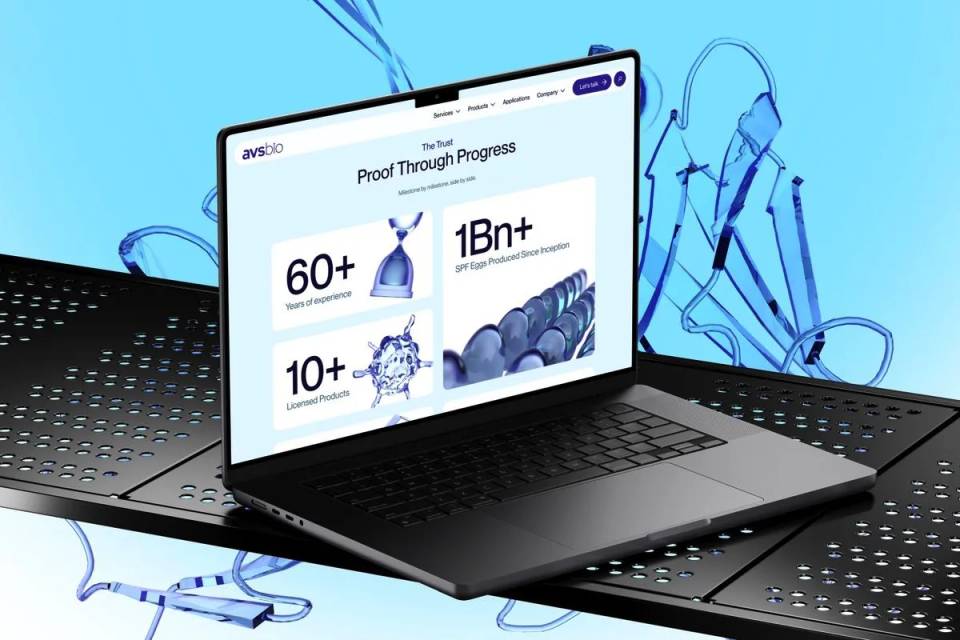
For over 60 years, AVS Bio has been a foundational partner for developers and manufacturers across vaccines, therapeutics, diagnostics, and beyond.
During their recent acquisition of ImmunoPrecise Antibodies (Europe) B.V., they were faced with a challenge. Multiple product lines. Multiple markets. Teams who had never worked together. On top of an already ambitious rebuild of their entire digital presence, they were suddenly navigating international alignment in real time: different processes, different buyers, different cultures, and different expectations.
That’s where the new AVS Bio website comes in, telling the full story of who they are, seamlessly serving multiple markets, and positioning them as an international innovation leader. We asked Dawn Alderman about navigating an international acquisition while working to meet a conference deadline. Here’s what she shared:
“We didn’t just need a new website, we needed a new story that honored the new organization. Scaler understood that and helped us navigate the complexity without losing sight of what unites us: our commitment to advancing science. The result is a website that reflects the strength and breadth of our platform.” — Dawn Alderman, Sr. Director of Product Development & Portfolio
The Move
This week’s challenge: look at your business and ask one honest question: are your teams actually talking to each other?
Not in scheduled meetings. Not when something’s already gone wrong. Are they sharing insights, flagging problems early, and working towards the same goal? And do they actually enjoy doing it?
The gap between a talented group of people and a high-performing team is almost always a communication problem in disguise.
The most expensive thing your business can be right now is a collection of individuals moving in different directions.
If your marketing efforts are feeling isolated, you’re not alone. Book a call with David if you’d like to explore ways to turn it around.