
David’s Desk: The "Path of Least Resistance" Strategy
Most B2B websites are built like confusing catalogs, not well-designed storefronts. The customer does all the work, hunting down information, chasing salespeople, and filling out forms just to get a price.
That friction is killing deals before they start.
Your buyers already know what a frictionless experience looks like. They live in a world of instant gratification, same-day delivery, one-click checkouts, answers in seconds. Their bar for a smooth experience is high, and it doesn't drop because it's a business decision.
Just because your product is complex doesn't mean your buyer's journey needs to be. A seamless sales process allows buyers to find what they need, understand what it costs, and move forward, at their own pace.
The companies winning in B2B right now aren't always the ones with simply the best product. They are often the ones who can get their buyers to feel the most confident about their product before needing to speak to anyone. Streamlined process, clear next steps, no black holes.
If the experience of your website feels like a chore, buyers will find someone who makes it feel like a choice.
Make it easier to move forward than it is to walk away. That's the strategy.
Science of Insight: The Psychology of Choice Architecture

There's a reason Amazon's "Buy" button works and why they spend $7.3 Billion per year enhancing their E-Commerce platform. It's not just convenience, it's behavioral science. They know how important it is and have revolutionized what it means to shop online.
All of this research builds off of a concept in psychology called choice architecture: how you present a decision shapes whether someone makes it at all. Reduce the steps, reduce the mental load, and conversion doesn't just improve, it multiplies.
The numbers prove it. According to 2026 conversion rate benchmarks, landing pages with five or fewer fields convert 120% better than longer ones, and each additional field beyond five carries a 20–30% conversion penalty, clearly demonstrating that the harder you make it, the less likely people are to buy.
This also applies to how much information they can gather before needing to speak to a salesperson. By the time your sales team gets involved, the buyer’s already invested.
Blog Spotlight: 5 Things Every Scientific Website Should Be Doing in 2026
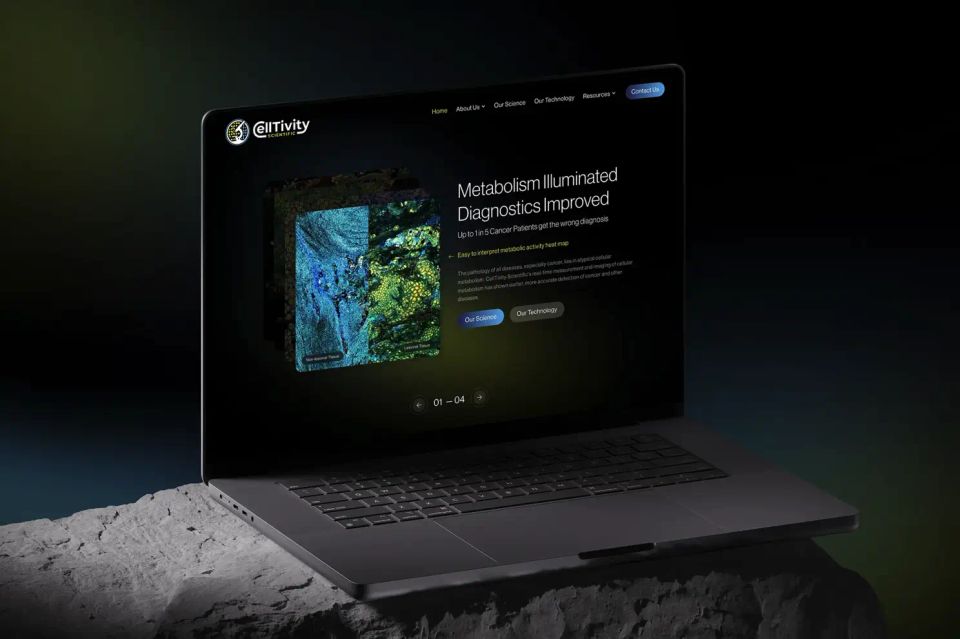
Most technical and scientific websites have the same problem: they're built for internal approval, not external buyers. Dense, credential-heavy, and hard to navigate. They make the wrong first impression on the people who matter most.
We broke down the five things every scientific website should be doing in 2026. One of the most overlooked: making the next step obvious. Not just a contact form buried in the nav, but a specific, clear action that tells buyers exactly what to do. If they have to hunt for it, you've already lost them.
Guest Voice: George Wiker, CEO of CleanSpace
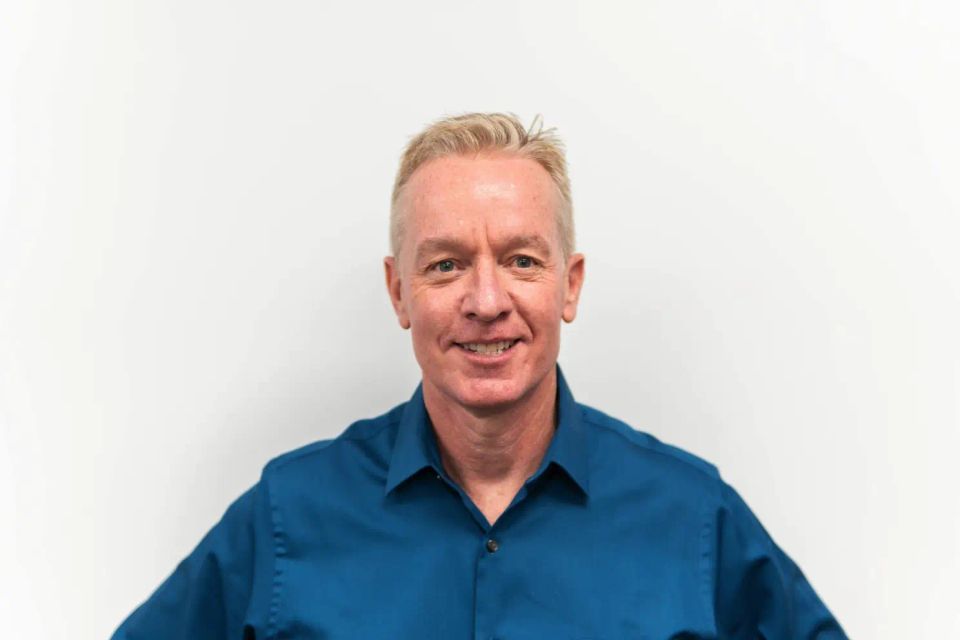
George Wiker has spent over three decades designing the facilities where critical manufacturing happens: pharmaceutical cleanrooms, cold storage, aerospace, labs. We sat down with him to talk about what it actually means to make it easy for a client to say yes.
His answer: every day counts.
"Whenever we can utilize a tool that can accelerate the process by hours or days, or weeks, better yet, it's a good thing."
That urgency runs through everything. Standardized workflows. A client portal. CleanSource Ecommerce for frictionless reordering. SpecSpace for bringing inventory closer to the end user. Different solutions, same goal: close the gap between need and solution.
The tools clear the path. The relationship closes the deal.
"Helping the client succeed, no matter what it takes. Whether it's our responsibility or someone else's."
In an industry full of firms that charge first and ask questions later, that's a real differentiator. And a reminder that the easiest path forward is built on trust, not just technology.
Client Spotlight: CleanSpace
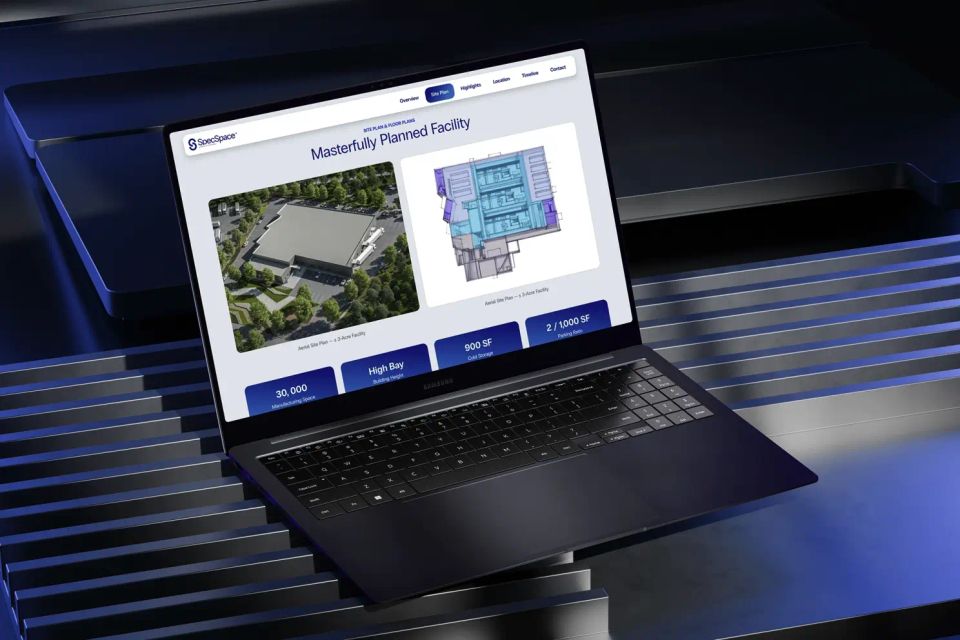
CleanSpace builds modular cleanroom systems for pharmaceutical and sterile facilities. Complex product, technical buyers, long sales cycles.
For years, the path to their product looked like most B2B companies. Find a rep, talk through requirements, wait. So they started asking a different question: how do we shorten the distance between our product and the people who need it?
First came the digital side. We helped them build CleanSource, a dedicated e-commerce storefront where existing clients can browse and reorder without picking up the phone.
Then they took it further. SpecSpace is their expanding warehouse network, built to bring physical inventory closer to the end user. Think of it the way Amazon thinks about distribution, the closer the product is to the customer, the easier it is to say yes.
That's the throughline across everything CleanSpace is building. Not just a better product. A shorter distance between need and solution, at every layer.
That's a business built around the path of least resistance.
Team Spotlight: Scott, Chief Strategy Officer on The Art of Differentiation

Ease gets buyers in the door. Differentiation makes them stay.
Everything in this newsletter points to one thing: making it easier to buy. But Scott will be the first to tell you that speed without substance doesn't close deals. A fast path to purchase only works if there's something worth arriving at.
Scott's work is about finding what makes a company genuinely irreplaceable, not just efficient. In a landscape where AI can generate a brand story in seconds, he focuses on the human connections that algorithms can't replicate: the values, the voice, the specific tension between what frustrates your buyers and what only you can offer.
As Scott puts it:
"There's nothing wrong with using AI to refine points of differentiation. But there's no way Claude, Gemini, or any other virtual colleague du jour can perfectly capture the human connections that make you irresistible to customers.”
His work isolates what buyers are quietly looking for, and the signals that tell them they're in the right place, with the right partner. In a world of frictionless experiences, brands that feel human convert more and earn loyalty in the process.
Remove the friction. Keep the soul.
The Move: Clear the Path
The most expensive thing your website can be is confusing.
Every extra confusing step is a quiet exit ramp for a buyer who's giving you a valuable minute of their time. You don’t only need more traffic. You need a clearer path for the traffic you already have.
This week's challenge: walk through your own website as if you're a first-time buyer. How long does it take to understand what you sell, what it costs, and what to do next? Where do you hesitate?
That hesitation is where the deal dies.
If you want a second set of eyes on it, book a call with us here. We'll help you find where the friction is.